
- Understanding What is Telehealth
- Telehealth in Action: Live Video Visits Made Simple
- Telehealth Services and Virtual Care Options
- Benefits of Telehealth for Patients and Providers
- Secure and Smart Platforms for Telehealth Success
- Bridging Long Distances with Provider Telehealth Consults
- Your Telehealth Experience: Easy, Convenient, and Safe
- Limitations and Considerations of Telehealth
- Telehealth and Insurance: Coverage Insights
- Frequently Asked Questions
- The Future of Telehealth and Virtual Care
Connect with healthcare from home! Explore telehealth services and book your virtual appointment today.
Understanding What is Telehealth
Telehealth is changing the way we access healthcare today. Enables patients to speak with healthcare providers without traveling.
Telehealth is essentially the provision of healthcare via digital platforms. The definition of telehealth includes using technology to reach patients wherever they are.
This approach involves providing interactive healthcare from a distance, making it easier to get advice, follow-ups, and checkups.
From routine wellness visits to ongoing treatment for chronic conditions, telehealth services cover a wide range of care.
It offers convenience, reduces travel, and makes healthcare accessible for everyone, even in remote areas.
Telehealth in Action: Live Video Visits Made Simple

Wondering how does telehealth work? It relies on modern digital tools to connect patients and providers safely.
The technology for telehealth includes video visits through smartphones, tablets, or computers. A stable internet connection ensures smooth communication.
During a session, patients and health care professionals interact via live video. They can discuss symptoms, review medical history, and even adjust treatment plans.
Some telehealth systems use secure messaging, allowing patients to send updates or questions between appointments. Providers can review these messages and offer guidance quickly.
For example, a patient with a mild rash can schedule a telehealth video visit. They show the rash via the camera, and the doctor can suggest care or prescriptions without an in-person visit.
This approach saves travel time, reduces waiting, and gives access to medical advice from anywhere. Patients feel empowered while providers manage care efficiently.
Telehealth Services and Virtual Care Options
Telehealth services provide patients with care without leaving home. They include virtual visits, remote monitoring, and patient education.
With virtual care, patients can access medical services from multiple locations. This eliminates long travel times and makes care easier to schedule.
Areas like mental health, long-term illness care, and dermatology see major improvements through telehealth. Patients can consult therapists, review treatment plans, and track skin conditions online.
Virtual visits enable real-time conversations between patients and medical providers. Providers can adjust treatments, answer questions, and provide guidance safely.
Remote monitoring tools track blood pressure, blood sugar, or heart rate and send data to providers instantly. This ensures care is continuous and accurate.
Telehealth also offers educational resources. Patients can learn about medications, healthy habits, or disease management through online platforms.
Compared with in-person appointments, telehealth offers superior ease and adaptability. Patients can schedule appointments from home, work, or even while traveling. It’s convenient for busy schedules and reduces exposure to infections.
Overall, telehealth empowers patients and supports providers in delivering timely, efficient, and accessible care.
Benefits of Telehealth for Patients and Providers
Telehealth brings multiple benefits for patients and health care professionals. It makes care convenient, efficient, and safe.
Benefits for Patients:
- Saves time by reducing travel and waiting for appointments.
- Provides access to specialists, even in remote areas.
- Improves care coordination across multiple providers.
- Supports continuous care with remote patient monitoring.
- Offers flexible scheduling that fits daily life.
Benefits for Health Care Professionals:
- Enables better tracking of a patient’s treatment plan.
- Streamlines scheduling, reducing administrative work.
- Monitors chronic conditions efficiently using remote tools.
- Facilitates timely adjustments to treatments and medications.
By combining technology and healthcare expertise, telehealth enhances outcomes for everyone. Patients get care faster, and professionals deliver it more effectively.
Secure and Smart Platforms for Telehealth Success
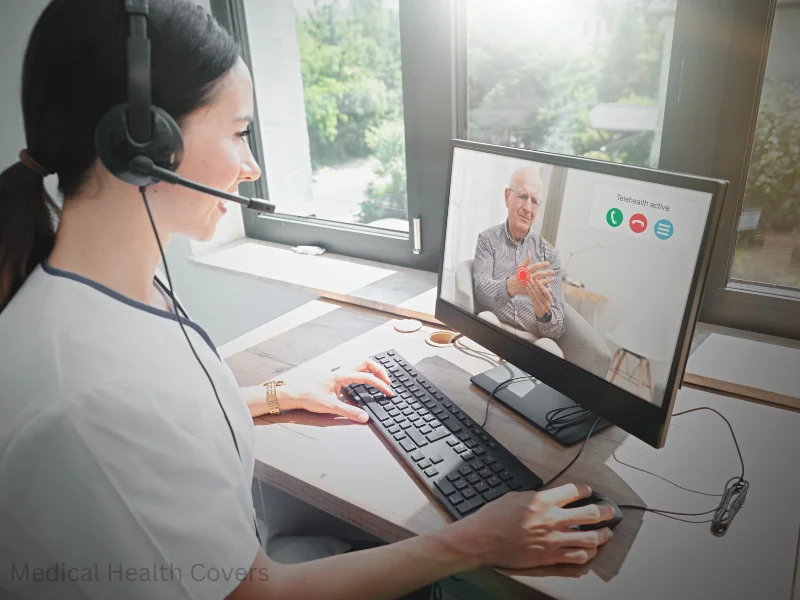
Telehealth relies on modern technology to make healthcare more organized and accessible. One key tool is the personal health record (PHR). PHRs allow patients to securely manage and review their medical information anytime.
Apps are available to track vital signs, medications, and daily health data. They help patients stay on top of their care and share information easily with providers. Many apps also send reminders for medications or upcoming appointments.
Healthcare professionals use technology for continuing medical education, ensuring they stay updated on the latest treatments and guidelines. Virtual workshops, webinars, and online courses are examples of these resources.
Secure platforms play a crucial role in storing and sharing patient information safely. They allow patients and providers to exchange data without compromising privacy.
With these tools, telehealth empowers patients to be active participants in their care while supporting professionals with reliable, organized data.
Bridging Long Distances with Provider Telehealth Consults
Telehealth allows health care professionals to consult each other through virtual care platforms. Providers can discuss patient cases over secure video or messaging systems.
This collaboration works effectively over long distances, connecting specialists and primary care doctors without travel. It helps clarify complex diagnoses and plan treatment efficiently.
Virtual consultations reduce the need for multiple referrals. Patients receive faster care while providers share expertise seamlessly.
For example, a rural clinic can consult an urban specialist within minutes. It cuts delays and allows for more reliable care planning.
By enabling collaboration among providers, telehealth strengthens healthcare networks. Patients benefit from timely and coordinated care, while professionals improve knowledge sharing.
Your Telehealth Experience: Easy, Convenient, and Safe
Choose a quiet, private area. Make sure your smartphone, tablet, or computer is charged. Check internet connectivity.
Open the telehealth platform and join the video visit. Test audio and video to ensure clarity.
Provide details about your health background, ongoing symptoms, and any recent examinations. Telehealth providers guide you throughout.
Discuss your concerns with the provider. Follow their instructions carefully. Ask questions for clarity.
Providers may suggest medications, lifestyle changes, or follow-up sessions. They explain next steps clearly.
Telehealth offers convenience and avoids travel. You get expert care without leaving home, similar to in-person visits.
Patients often find telehealth easy, efficient, and personal while maintaining privacy and professional guidance.
Limitations and Considerations of Telehealth
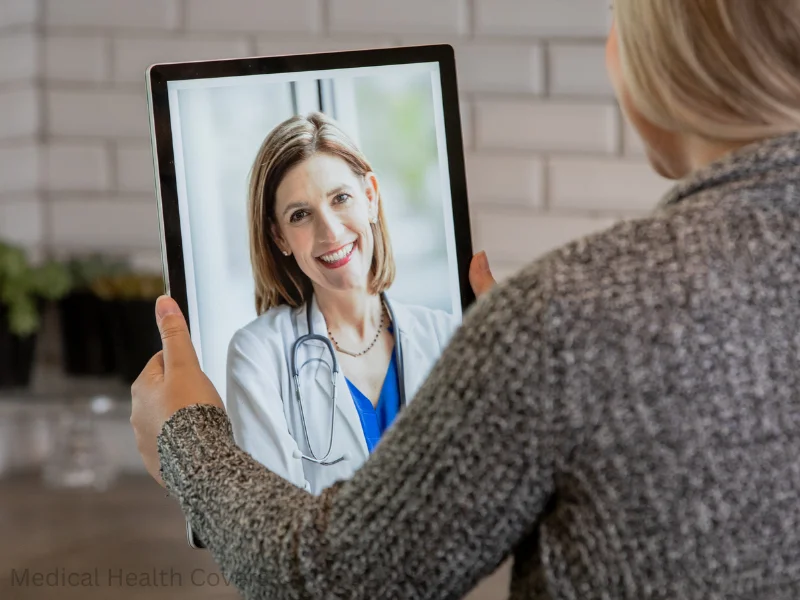
- Virtual care cannot replace a full physical examination in certain situations.
- Some health concerns still require in-person visits for accurate diagnosis.
- Internet or device issues may interrupt or limit your telehealth session.
- Not all patients have easy access to technology or private spaces.
- Certain tests and procedures cannot be done virtually and need office visits.
- Combining technology with traditional care ensures complete and safe treatment.
- Telehealth may not suit emergencies or sudden severe symptoms.
Patients should use telehealth for convenience while knowing its limits for comprehensive care.
Telehealth and Insurance: Coverage Insights
Insurance coverage for telehealth services can vary depending on your provider and state regulations.
Some plans fully cover video visits, while others may require co-pays. It is important to understand what is a good faith exam for compliance and billing purposes.
You can learn more about what is a good faith exam to ensure your virtual visit meets requirements.
Check with your insurance before scheduling to avoid surprises. Telehealth can save costs and travel time, but coverage rules differ for each policy.
Frequently Asked Questions
What is an example of telehealth?
A video visit with telehealth providers to review symptoms or manage chronic conditions is an example.
Does telehealth mean a phone call?
Not always. Many sessions use video visits, but some simple follow-ups can occur via phone.
Does a patient have to be present for telehealth?
Yes, patients are usually present to interact with the provider, share updates, and answer questions.
When to use telehealth?
Use telehealth for minor concerns, follow-ups, chronic disease management, and when travel to the clinic is difficult.
What happens during a telehealth appointment?
Telehealth providers review your history, monitor vitals if available, discuss treatment options, and schedule follow-ups.
The Future of Telehealth and Virtual Care

Telehealth services have grown rapidly since the pandemic. Patients now expect care from home.
Virtual care will continue expanding, improving convenience and timely access to healthcare. New tools make communication easier for health care professionals and patients.
Emerging technology trends include AI-assisted consultations, better remote monitoring, and secure video platforms. These improve quality of care and patient safety.
Medical Health Covers provides telehealth services like the Good Faith Exam, helping patients comply with regulations and receive quality care remotely.
Healthcare is moving toward a hybrid model, combining in-person visits with advanced virtual care for better outcomes.